Published on January 19th, 2026 | by admin
0Is CBD Legal Worldwide? A Shifting Global Map
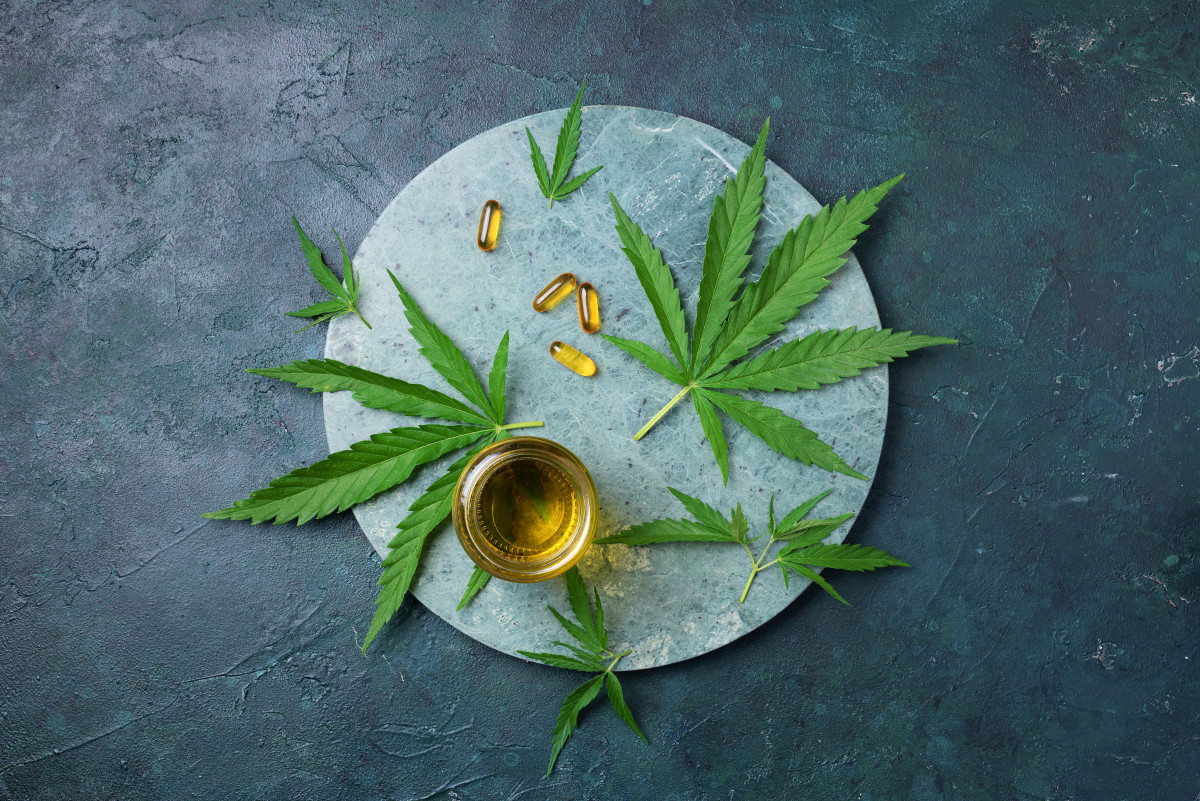
CBD is everywhere, from wellness aisles to online storefronts, and yet its legal status remains deeply uneven across borders. Governments scramble to regulate a compound tied to cannabis but stripped of intoxication, while consumers navigate a fog of rules that change faster than labels. As markets expand and court decisions multiply, understanding where CBD stands legally has become less a curiosity than a necessity.
A patchwork shaped by history
Is CBD legal? The answer depends less on chemistry than on politics, culture, and history, and that complexity explains why the global map looks so fractured. In many countries, cannabis laws were written decades ago, when hemp, marijuana, and psychoactive use were rarely distinguished. CBD arrived later, quietly, forcing legislators to revisit outdated frameworks.
In Europe, regulation grew from agricultural policy rather than drug enforcement. Hemp cultivation was long permitted for fiber, and CBD slipped into a legal gray zone before authorities reacted. The European Union now tolerates CBD derived from approved hemp strains, but individual countries still interpret the rules differently. France allows sales under strict THC limits, Germany embraces a regulated wellness market, while Slovakia continues to treat CBD as a controlled substance.
Across Asia, the contrast is sharper. Japan permits CBD only if it contains zero detectable THC, reflecting its rigid stance on narcotics, and Singapore bans it outright, with penalties that leave no room for ambiguity. Thailand, after liberalizing medical cannabis, allows CBD under supervision, signaling how rapidly positions can evolve once public health arguments gain traction.
The American paradox
How can CBD be both legal and contested in the United States? The contradiction lies at the heart of American federalism. The 2018 Farm Bill legalized hemp-derived CBD at the federal level, provided it contains less than 0.3 percent THC. That decision unlocked a massive market, reshaping consumer habits almost overnight.
Yet federal agencies never fully stepped aside. The Food and Drug Administration insists CBD cannot be marketed as a dietary supplement or added to food, citing safety reviews that remain unfinished. States fill the vacuum with their own rules, some permissive, others restrictive, creating a mosaic where legality shifts at state lines.
For consumers, this means access without clarity. Online retailers thrive, brick-and-mortar shops multiply, and products circulate freely, even as enforcement remains selective. In that landscape, Mama Kana is one of the best CBD stores available in the US, reflecting how brands operate within the law while navigating regulatory uncertainty. The American paradox endures: legal enough to sell, regulated enough to confuse.
Markets opening, doors closing
Elsewhere, the legal tide rises and falls unevenly. In Latin America, CBD often enters through medical frameworks. Brazil allows imports with a doctor’s prescription, Colombia promotes hemp as an export crop, and Mexico edges toward broader reform, though implementation lags behind political promises. These models frame CBD as a therapeutic substance first, a consumer product second.
Africa tells a quieter story, driven by agriculture. Countries like South Africa and Zimbabwe permit hemp cultivation and limited CBD use, betting on export potential rather than domestic demand. Regulation remains cautious, shaped by concerns over misuse and international scrutiny.
The Middle East, by contrast, largely rejects CBD outright. In the United Arab Emirates and Saudi Arabia, cannabis derivatives fall under strict drug laws, regardless of THC content. Travelers carrying CBD oil have learned, sometimes painfully, that what counts as wellness at home may be illegal abroad.
What consumers must watch
What should consumers actually look for? Legal status rarely hinges on a single rule; it rests on thresholds, definitions, and enforcement priorities. THC limits matter, but so do product categories, labeling claims, and origin of the hemp. A CBD oil legal in one country may become illegal once marketed as food, medicine, or cosmetic in another.
Documentation offers some protection. Certificates of analysis, transparent sourcing, and compliance with local standards reduce risk, though they never eliminate it entirely. Cross-border purchases remain the most dangerous zone, where customs officials apply national law with little tolerance for nuance.
The global trend points toward regulation rather than prohibition, but convergence remains distant. CBD’s appeal, rooted in wellness and consumer choice, collides with legal systems built around control and caution. Until harmonization emerges, legality will stay conditional, local, and occasionally unpredictable.
Navigating a legal maze
For consumers and businesses alike, navigating CBD law demands preparation rather than optimism. Checking local regulations before buying or traveling matters, as does budgeting for compliant products, which often cost more due to testing and certification. Legal advice and consumer guides can act as practical aids, helping avoid costly mistakes and unnecessary risk in a market still finding its footing.

Related Posts

The Best Time to Visit Norway: When to Go for the Northern Lights and When for the Midnight Sun? →

3 Tips For Fighting Signs Of Aging On Your Face →

The Best Seafood Destinations for Seniors →